AI Collapses Fashion Timelines - From Design Studios to Virtual Worlds
Li & Fung uses Make the Dot to shrink design cycles from days to hours; Zara deploys AI to rework campaign imagery with real models, decoupling shoots from production; DRESSX brings competitive digital fashion into Meta Horizon Worlds, turning styling into social play.
Li & Fung Uses AI to Cut Design Cycles From Days to Hours
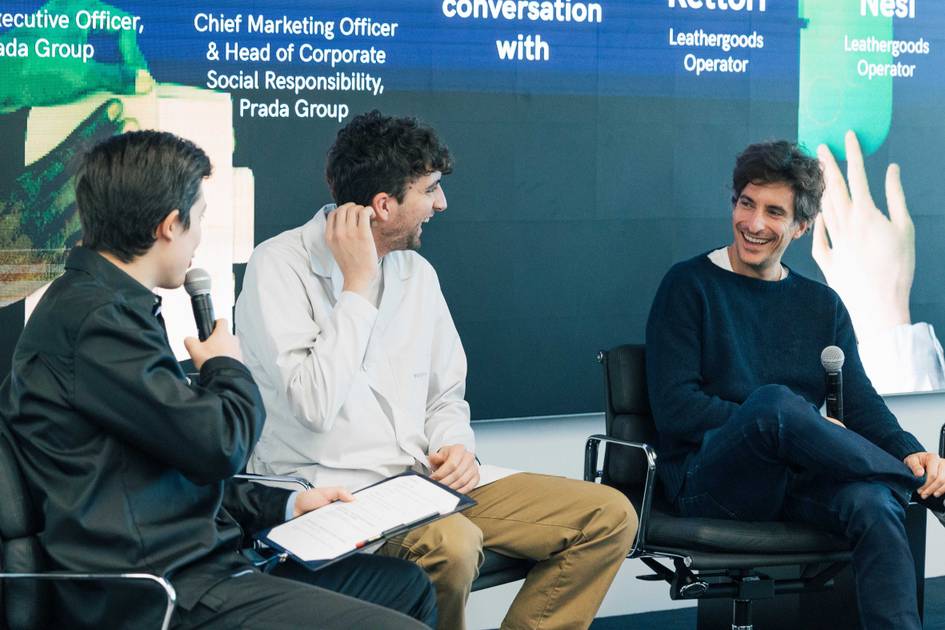
Li & Fung is using Make the Dot to dramatically compress early-stage design workflows, turning research that once took a day into an hour and shrinking line-sheet creation from a week to a single day. Deployed inside LF Distribution, the platform replaces fragmented tools with a single, collaborative canvas that runs from moodboarding through production-ready visuals. The result isn’t just speed, Li & Fung reports higher buyer engagement thanks to visuals that are closer to final execution and easier for retail partners to buy into.
Why it matters: This is a useful counterpoint to the hype around generic image generators. Li & Fung’s gains come from AI that is tightly coupled to fashion workflows - materials, fit, line plans, suppliers - not from novelty prompts. The bigger signal is organisational. When AI collapses low-value tasks, teams don’t get smaller, they get more ambitious. Faster cycles mean more concepts tested, fewer samples wasted, and decisions made earlier in the calendar.
 Aashir Ashfaq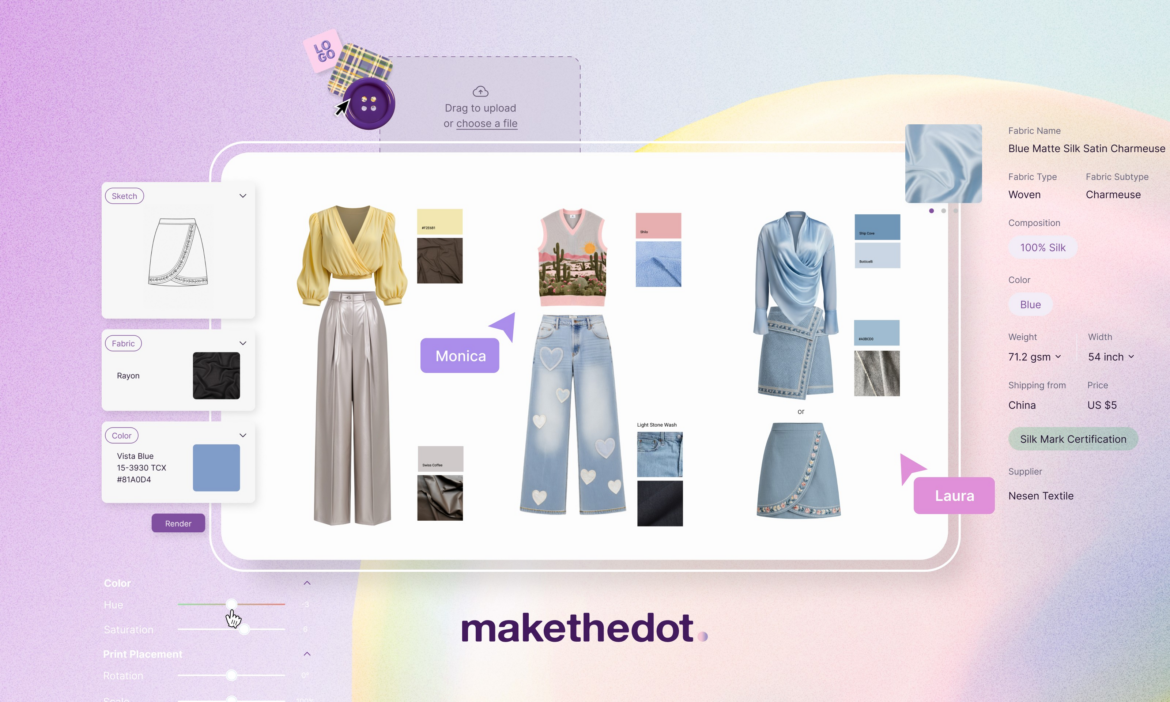
Zara Uses AI to Rework Campaign Imagery With Real Models
Zara has begun using AI to generate new campaign images by digitally re-styling real models into different outfits, cutting the need for repeat shoots and accelerating content production. Owner Inditex says the technology complements existing processes, with models’ consent and compensation handled as if for additional shoots. The move follows similar experiments by H&M and Zalando, signalling a broader industry shift toward AI-assisted imagery rather than fully synthetic models.
Why it matters: This isn’t necessarily about replacing models, but it is about decoupling photography from physical production cycles. AI allows brands like Zara to shoot once and publish endlessly, collapsing time, cost and logistics. But while Inditex chair Marta Ortega champions fashion photography, the economics are changing fast. Fewer shoots mean fewer commissions, putting pressure on photographers and production crews. The creative craft may survive, but the volume model that sustained it appears time-limited.

DRESSX Launches Competitive Fashion Game Inside Meta Horizon Worlds
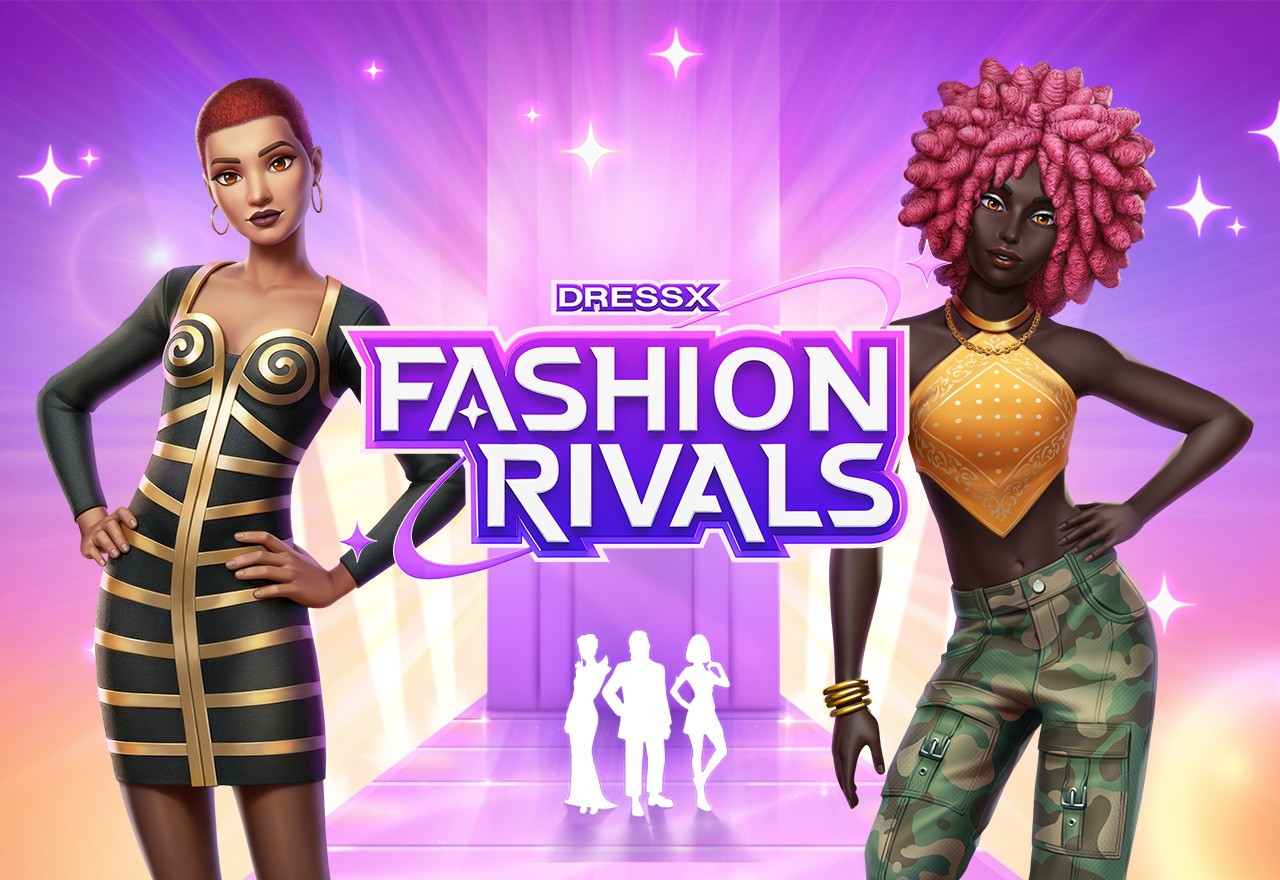
DRESSX has debuted its first native experience inside Meta Horizon Worlds with DressX Fashion Rivals, a free-to-play, cross-platform styling game available on VR and mobile. The experience turns digital fashion into multiplayer competition: players style avatars around themed prompts, walk a virtual runway using custom animations, and vote on each other’s looks. It marks the first time DRESSX brings its digital fashion ecosystem directly into Meta’s flagship social world, positioning Horizon as a space for fashion-led play rather than passive avatar customisation.
Why it matters: This is less about a single game and more about fashion testing its place inside social virtual worlds. By framing styling as competition and community play, DRESSX is betting that digital fashion scales when it’s social, interactive, and culturally active, not just cosmetic. If it works, Horizon Worlds could become a proving ground for how fashion brands might build engagement loops in immersive platforms, where expression, identity, and play collapse into the same experience.

Quick Links
Other stories that caught our eye.
 Paloma Duran
 Isabella Naef