


Clarks Opens Marketplace With Nike, Adidas and 100+ Brands as It Pushes Beyond Footwear
Clarks has gone live with "Brands now at Clarks", its first UK digital marketplace, bringing more than 100 third-party labels onto Clarks.com across womenswear, menswear, childrenswear, accessories and lifestyle. Launch partners include Nike, Adidas, Hugo Boss, Tommy Hilfiger, Under Armour, Marc Jacobs and Mountain Warehouse, alongside independents such as Apatchy London, Toby Tiger and Tinc. A second wave - Armani Exchange, Emporio Armani, Gant, Lacoste, Moose Knuckles, Napapijri, Rains, Timberland and Woolrich - are scheduled to follow in the coming weeks.
Joe Ulloa framed the move as a curated lifestyle extension anchored in Clarks' 200-year positioning around quality, comfort and value. The marketplace sits alongside a wider digital push: Clarks has recently launched on Shein, Secret Sales, Walmart, Target and TikTok Shop, and expanded its own categories into school uniform, apparel and accessories. The commercial backdrop is less comfortable. Clarks posted a £39.2m pre-tax loss on revenue of £901.3m for the year to December 2024.
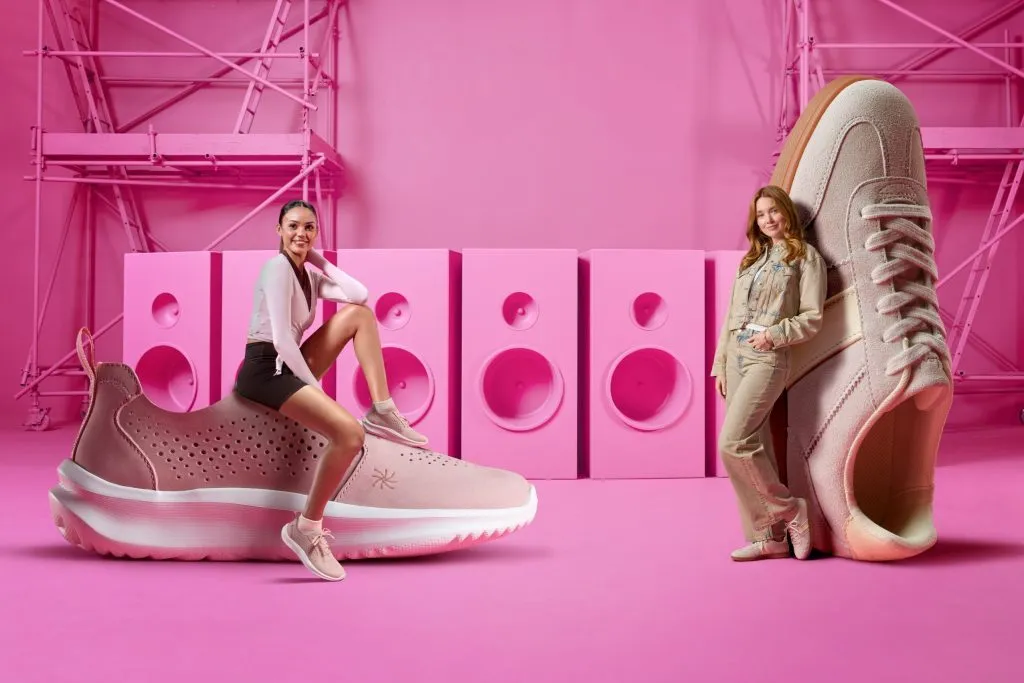
Why it matters: Marketplaces have become the default escape hatch for heritage retailers that need new revenue without new inventory risk, and Clarks is now following the path Next, M&S and Debenhams have already worn in. The interesting question is whether a 200-year-old footwear specialist has the data, merchandising logic and digital infrastructure to curate a lifestyle destination that feels like more than a drop-ship catalogue. Hosting Nike and Adidas on Clarks.com says something about where Clarks thinks it can credibly play, but it also invites direct comparison with Zalando, Next and the brands' own DTC channels, where fit tech, personalisation and loyalty economics are already more sophisticated.
The strategic bet is that Clarks' trust and footfall convert into cross-category basket size; the execution risk is that marketplace margins are thin, and thin margins punish retailers who can't turn a platform into a proposition. Expect the next test to be how quickly Clarks layers search, recommendation and fit tooling over the assortment because without that, "Brands now at Clarks" won't be as transformative as advertised.
Nike Cuts 1,400 Tech Roles in Second Layoff Round of 2026
Nike has announced approximately 1,400 job cuts, the majority in its technology organisation, marking its second round of redundancies this year after eliminating 775 distribution-centre roles in January. The reductions, representing just under 2% of global headcount, span North America, Europe and Asia and were framed in an internal memo from COO Venkatesh Alagirisamy as the next phase of CEO Elliott Hill's "Win Now" turnaround. Alagirisamy said the restructuring will reshape the technology team, modernise Air manufacturing, relocate parts of Converse's footwear operations and fold the materials supply chain into the wider footwear and apparel supply chain functions.
Corporate hubs including Oregon and India are affected, with overlapping roles and duplicated tech functions being consolidated. The backdrop is a multi-year sales slowdown, particularly acute in Greater China, and an earlier $2bn cost-cutting programme Nike committed to at the end of 2023. Shares were trading well below analyst fair-value estimates at the time of the announcement.
 Rachel Dobkin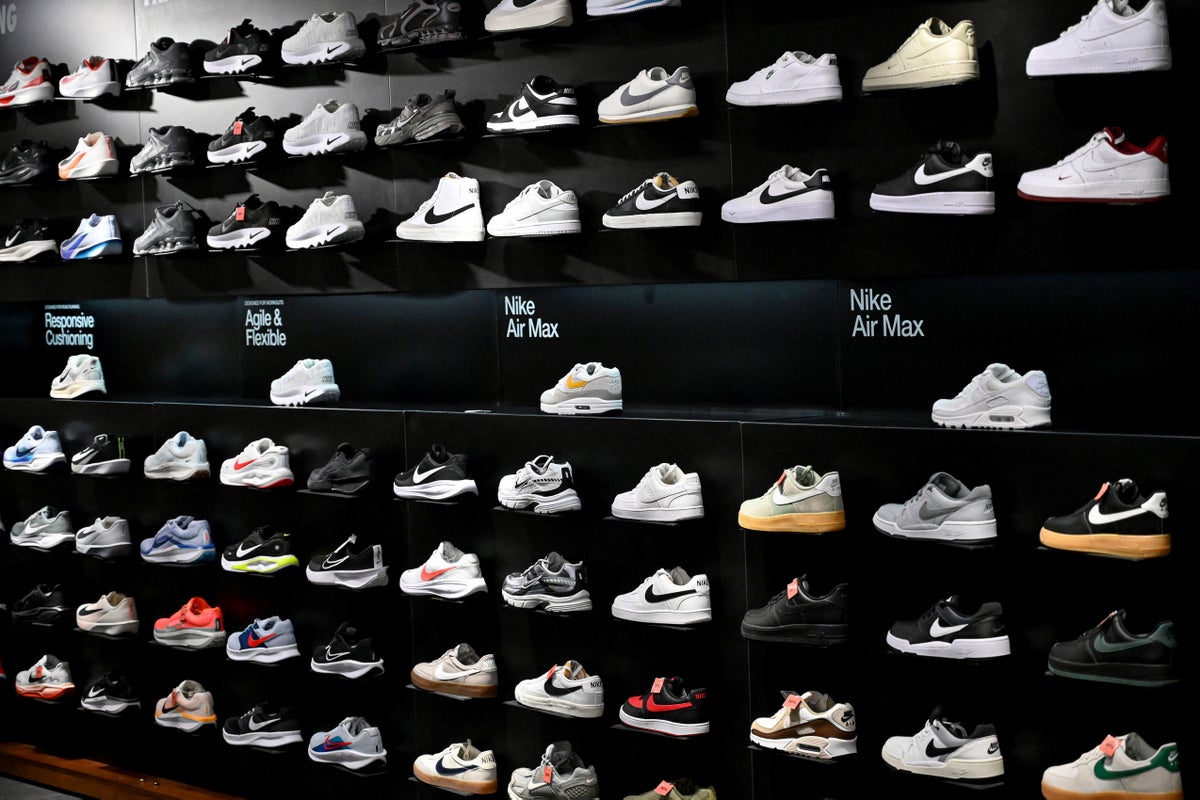
Why it matters: Cutting technology headcount is a loaded choice for a company whose last decade was defined by direct-to-consumer, Nike Digital and the SNKRS app - the bet that owning the customer relationship through software would out-earn wholesale. That bet has visibly softened: wholesale is back on the agenda, DTC growth has stalled, and the tech organisation built to run the Consumer Direct Offense is now the part of the company being asked to shrink.
It's a useful counterpoint to the week's other story - Clarks opening a marketplace that hosts Nike - because it suggests even the category's most sophisticated DTC operator is rebalancing toward distribution it doesn't fully control. The harder question is what "modernising" the tech stack actually looks like when you're removing the people who built it; automation and AI are the implied answer, but the transition risk is real. Nike's problem has never been a shortage of tools, it has been translating them into commercial momentum, and fewer engineers won't automatically fix that.
Google Ropes In "Devil Wears Prada 2" to Push AI Try-On Into Mainstream Shopping
Google Shopping has partnered with 20th Century Studios on an Instagram campaign starring Stanley Tucci and Simone Ashley, reprising their roles as Nigel and new character Amari, to promote its "Try On in Search" feature ahead of the 1 May theatrical release of the sequel.
The social film positions Google's AI-powered virtual changing room as a way for viewers to put themselves into the film's runway looks, following a similar Hollywood-led push over the holidays with Kirsten Dunst and Sarah Jessica Parker. The underlying technology uses a diffusion-based generative model that takes a single product image and renders it onto a user-uploaded full-body photo, adapting drape, fold and shadow to body shape; it now covers tops, dresses, skirts, trousers and shoes across billions of listings on Google Search, Shopping and Images, with US, UK, Canada, Australia, Japan and India availability. Google says engagement has been strongest among Gen Z users.
The Devil Wears Prada 2 has become a crowded brand-partnership vehicle - L'Oréal, TRESemmé, Starbucks, Diet Coke and Grey Goose - but Google's tie-in is the only one selling a commerce surface rather than a product.

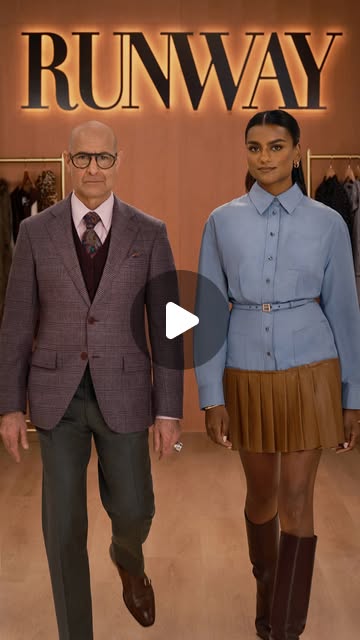
Why it matters: Google is using cultural IP to do what it has struggled to do in fashion: make its shopping graph feel like a destination, not a utility. Try-on is the wedge; the real strategy is AI Mode, agentic checkout and a dynamically generated product panel that together position Search as where consumers discover, visualise and buy apparel - reducing the need to ever land on a brand's own site. That's a direct challenge to the marketplace and DTC economics the rest of the industry is currently recalibrating around.
Borrowing Nigel Kipling and a Bridgerton lead is smart casting: a Prada 2 halo does more cultural work than another demo video. The ongoing question is whether the tech is accurate enough to drive purchase rather than play. Try-on has consistently over-promised on fit, and a glossy campaign raises expectations the diffusion model still has to meet.