EU Takes Aim at TikTok, Bio-Colour Gets Backed, ASOS Goes All-In on AI Design
Brussels threatens TikTok’s growth engine under the DSA; Sparxell raises €4.2m to scale plant-based structural colour; and ASOS embeds generative AI into core design workflows.
TikTok Faces EU Ultimatum Over Addictive Platform Design
TikTok has been warned by the European Union that it must redesign core elements of its platform or risk fines of up to 6% of global annual revenue. In a preliminary ruling under the Digital Services Act, regulators said features like infinite scroll and TikTok’s recommender system may push users, especially children, into compulsive, “autopilot” usage. The Commission is pressing TikTok owner ByteDance to introduce screen-time breaks, reduce night-time use and rethink how content is algorithmically served. EU tech chief Henna Virkkunen cited growing evidence of harm to young users’ mental wellbeing.

Why it matters: For the fashion industry, TikTok isn’t just another social app -it’s a meaningful discovery engine, trend accelerant and increasingly a commerce funnel. EU pressure to strip back addictive mechanics risks dulling the very algorithms that make fashion content travel fast, turning micro-trends into sales phenomena overnight. That could create real downstream impact for brands, creators and retailers who now build launches, influencer strategy and even merchandising decisions around TikTok-driven demand.
It’s also another flashpoint in Europe’s widening regulatory stance toward consumer tech. While the commendable intent is user protection, critics will see regulating product design itself rather than outcomes as yet more EU overreach. If engagement-led platforms are forced to redesign for perceived “healthier” usage, fashion brands may face lower organic reach, higher paid media costs and slower trend cycles in Europe compared with less regulated markets.
Sparxell Raises €4.2M to Commercialise Plant-Based Colour for Fashion
Cambridge spin-out Sparxell has raised €4.2 million in pre-Series A funding to scale its bio-inspired colour technology for textiles and other industries. The round will support Sparxell’s move from pilots to tonne-scale production in 2026. Founded in 2023, the company creates colour using cellulose structures derived from wood pulp - mimicking how butterfly wings produce colour - eliminating petrochemical dyes, heavy metals, and microplastics. Its platform spans pigments, inks, glitters, sequins, and films, with early collaborations already underway in luxury fashion and materials.
Why it matters: Colour remains one of fashion’s dirtiest challenges, with synthetic dyes responsible for massive water pollution and poor end-of-life outcomes. Sparxell’s funding sits within a broader European push toward bio-based materials as regulators tighten around PFAS, microplastics, and toxic additives. If the company can prove consistent performance and cost competitiveness (at scale), structural colour could move from sustainability experiment to a genuine alternative, forcing brands to rethink one of the most chemically entrenched parts of the supply chain.
 David Cendon Garcia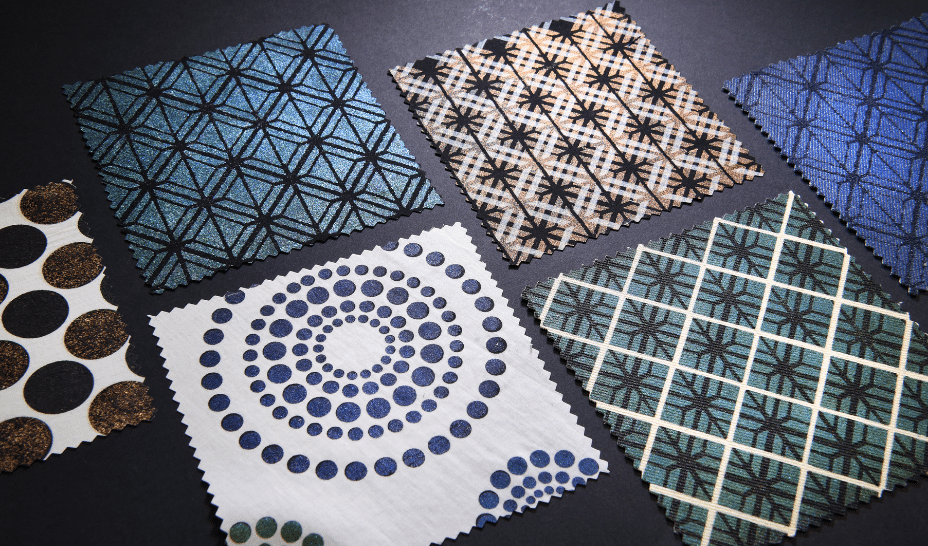

ASOS Partners with Fermat to Train Designers in Generative AI
ASOS has upskilled more than 100 of its designers in generative AI, embedding Fermat’s technology directly into its design workflows. The platform allows teams to turn sketches into photorealistic visuals in seconds, rapidly test colourways and fabrics, and communicate ideas more clearly with suppliers. ASOS says the tools are delivering average time savings of 75-80 percent across key design processes, improving first-time sample accuracy while reducing waste and freeing designers to iterate more boldly.
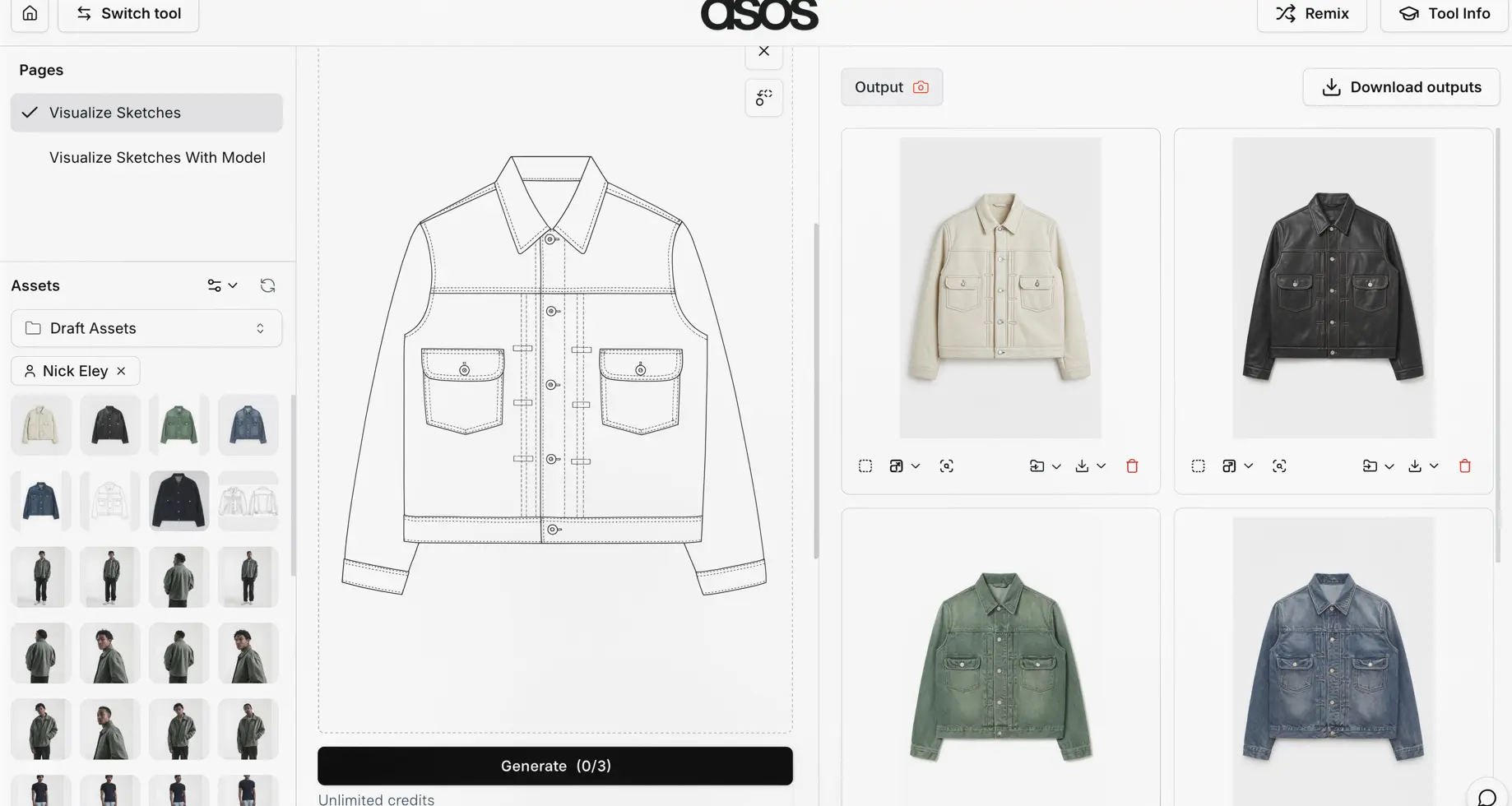
Why it matters: This isn’t an experimental pilot, it’s a full-scale capability shift inside one of fashion’s largest digital-first brands. As timelines shrink and content demands explode, generative AI is moving from novelty to infrastructure in design teams. ASOS’s approach shows where the industry is heading: AI as a creative accelerator embedded into everyday workflows, not simply a bolt-on tool.