FindGPT’s Agentic Checkout, Nike’s Invisible Tech, Rental’s Speed Play
Aesthetic collapses inspiration and checkout with FindGPT’s AI shopping agent; Nike Vision bets on optical engineering; and By Rotation teams with Uber to make rental as fast as e-commerce - all pointing to a race to remove friction, not add novelty.
Aesthetic Launches FindGPT, Turning Social Inspiration Into Instant Shopping
Aesthetic has launched FindGPT, an AI-powered fashion discovery app designed to make any outfit or social post instantly shoppable. Available now on the App Store, FindGPT lets users tag or message @FindGPT on platforms like Instagram to receive personalised product matches based on size and style, no affiliate links, browser plug-ins, or manual searching required. At the core is “agentic checkout,” allowing the AI to complete purchases across verified sites on the user’s behalf for a 5% service fee, while creators earn automatically when fans shop their looks.

Why it matters: Fashion discovery is already busy with “see it, shop it” tools, but most still break the flow with links, redirects, or influencer economics that favour ads over intent. FindGPT’s bet is that automation plus checkout is an improved approach. This collapses inspiration, discovery, and purchase into a single action. If it scales beyond fashion as intended, this suggests a shift towards AI-native commerce layers where platforms, not retailers or affiliates, own the moment of conversion and creators get paid without selling out their feeds.
 Aesthetic

Nike Vision Evolves Max Optics With Sport-Specific Performance Lenses
Nike Vision has unveiled the next evolution of its Max Optics lens technology, sharpening its focus on sport-specific visual performance. The updated system enhances clarity, contrast, and colour vividness while offering full UV protection to reduce eye fatigue across long training sessions and competition. Central to the launch is Max Optics Pro, which introduces tailored lens tints - Road, Field, Terrain, and Course - each tuned to amplify specific colours and contrasts depending on environment and sport. The Pro line also adds hydro-oleophobic and anti-reflective coatings, designed to maintain crisp vision under sweat, water, and pressure. The technology now underpins Nike Vision’s global sunglass range, spanning training, competition, and everyday wear.
Why is matters: As smart glasses, sensor-enabled apparel, and bio-responsive products crowd the market, brands like Nike are reinforcing a key idea: that not all “wearable tech” needs a chip. Optical engineering, material science, and sport-specific tuning are becoming credible innovation vectors in their own right. In an increasingly noisy wearables landscape, differentiation is shifting from novelty hardware to embedded, invisible performance, where fashion brands with scale, R&D depth, and athlete credibility may have the edge.
 Press Club
By Rotation and Uber Enable 60-Minute Delivery for Rented Skiwear
UK peer-to-peer fashion rental platform By Rotation has partnered with Uber to offer on-demand delivery for rented clothing. Until May 31, users can have items delivered via Uber Courier within 60 minutes at a 10% discount, with the push primarily aimed at ski gear, where around 30% of renters already seek same-day pickup. The service is surfaced directly at checkout, removing the need for manual coordination between lender and renter.
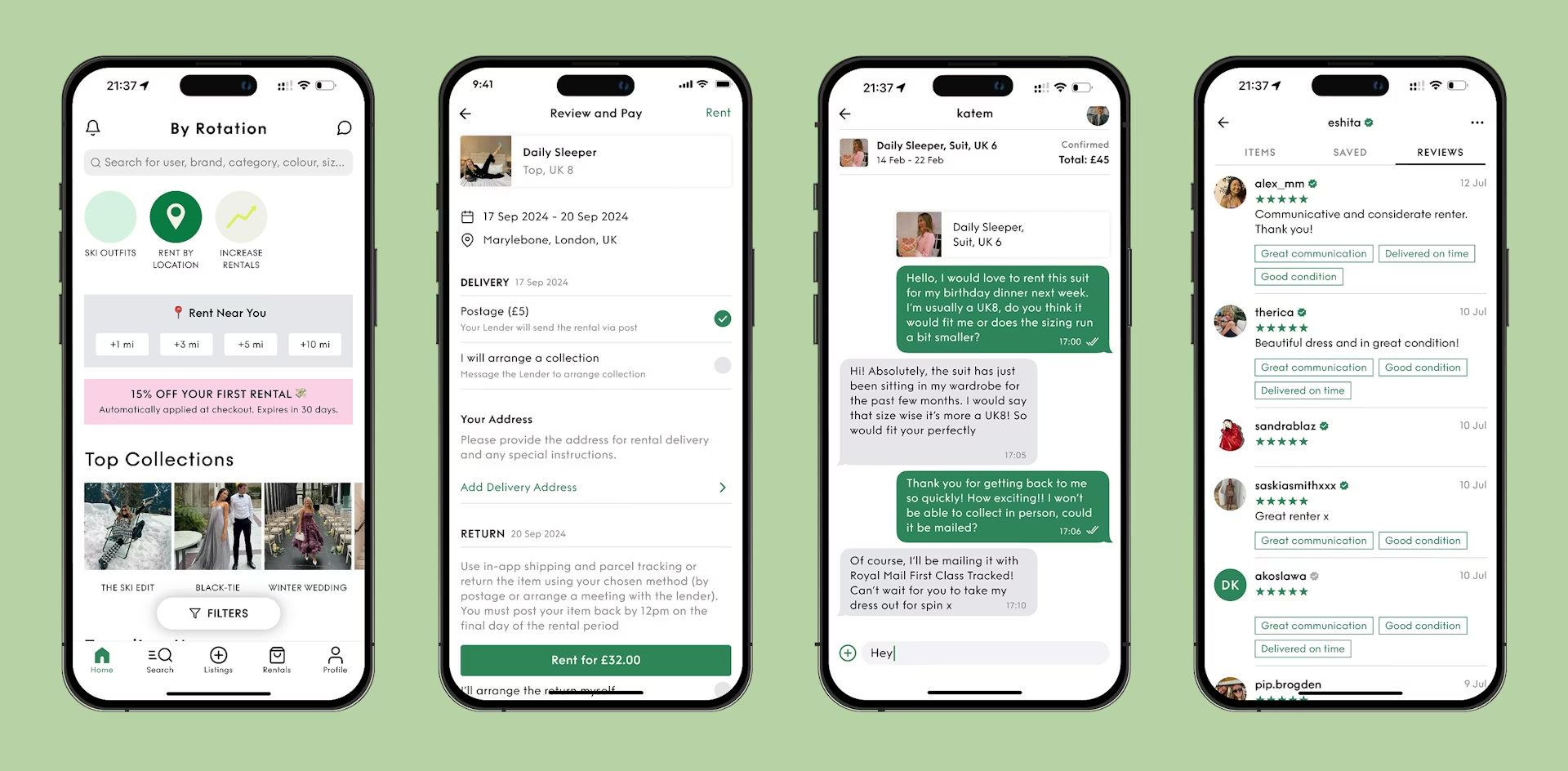
Why it matters: Rental has long sold sustainability, but speed has been its Achilles’ heel. By leveraging Uber’s logistics prowess, By Rotation is borrowing the convenience expectations of e-commerce (and fast fashion) without defaulting to ownership. It follows earlier context-aware partnerships, like its tie-up with Airbnb for destination wedding outfits, and signals a broader approach: if circular fashion can match “panic-buy” speed, it becomes a genuinely viable alternative at scale.
 Dominic-Madori Davis