
Gucci Draws Criticism, Kate Barton’s AI Try-On, Croissant Scales Resale
Gucci faces heat for AI campaign imagery as Kate Barton bets on IBM-powered virtual try-on. Meanwhile, Croissant raises $28M to bake resale value into checkout.
Gucci Criticised for AI-Generated Campaign
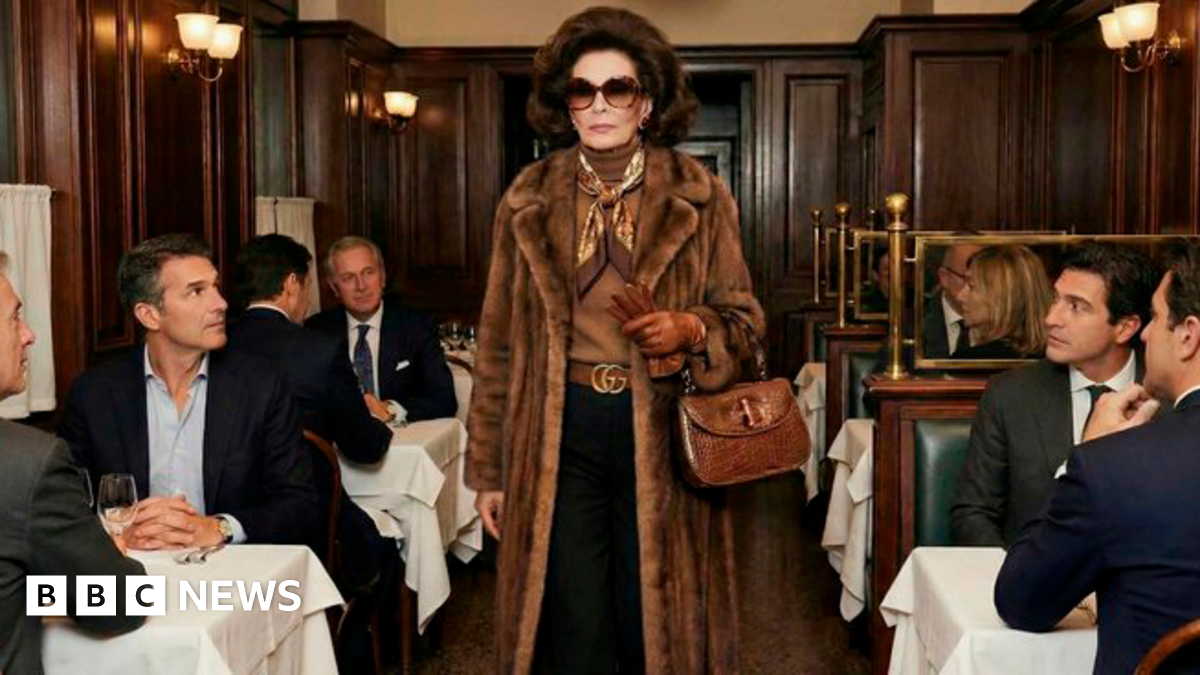
Gucci is facing backlash after posting AI-generated images to promote its upcoming show at Milan Fashion Week, including a glamorous “Milanese grandmother” in vintage Gucci, a black-tie couple in a formal salon and a retro car tableau that feels lifted from 1970s cinema. The visuals were clearly labelled “created with AI,” but critics online branded them “AI slop,” questioning how synthetic imagery aligns with the house’s long-standing emphasis on creativity and Italian craftsmanship.
The controversy lands just as creative director Demna Gvasalia prepares to present his first Milan runway for the brand. While some defended the campaign’s stylised “Milano glam,” others asked why a luxury house would turn to cost-saving generative tools instead of photographers, stylists and models.
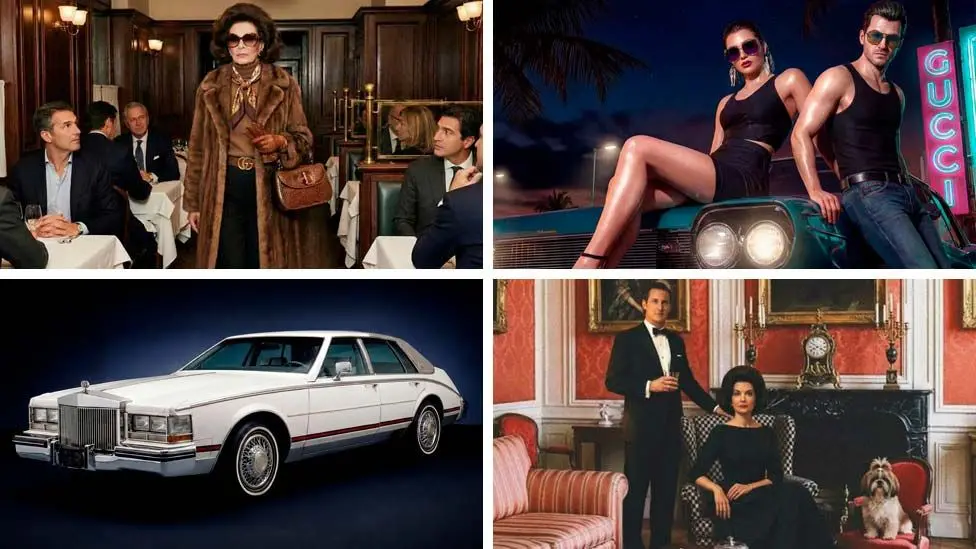
Why it matters: Luxury trades on human craft, scarcity and cultural cachet, so when a €bn house uses AI image generation, even if only to test the water, it invites scrutiny about authenticity and values. But Gucci isn’t alone. From high fashion to the high street, brands are increasingly accused of quiet cost-cutting, swapping artists for automation. The risk for luxury is that this creates a perception that it is trimming the very inputs that justify its price.


Kate Barton Launches AI Virtual Try-On After NYFW Debut
Emerging designer Kate Barton has rolled out Fiducia AI’s SpeedShotX Visual AI Lens across her e-commerce site following an interactive debut at New York Fashion Week. Developed with IBM Watsonx and IBM Cloud, the tool lets shoppers snap a photo and see a hyper-realistic rendering of themselves in Barton’s collection, no outfit change required. The activation first appeared on her fall 2026 presentation, where guests queued to test the tech on large-scale screens. It now powers try-ons for her spring 2026 line online, alongside product details, materials and an AI agent trained to answer brand questions in multiple languages.
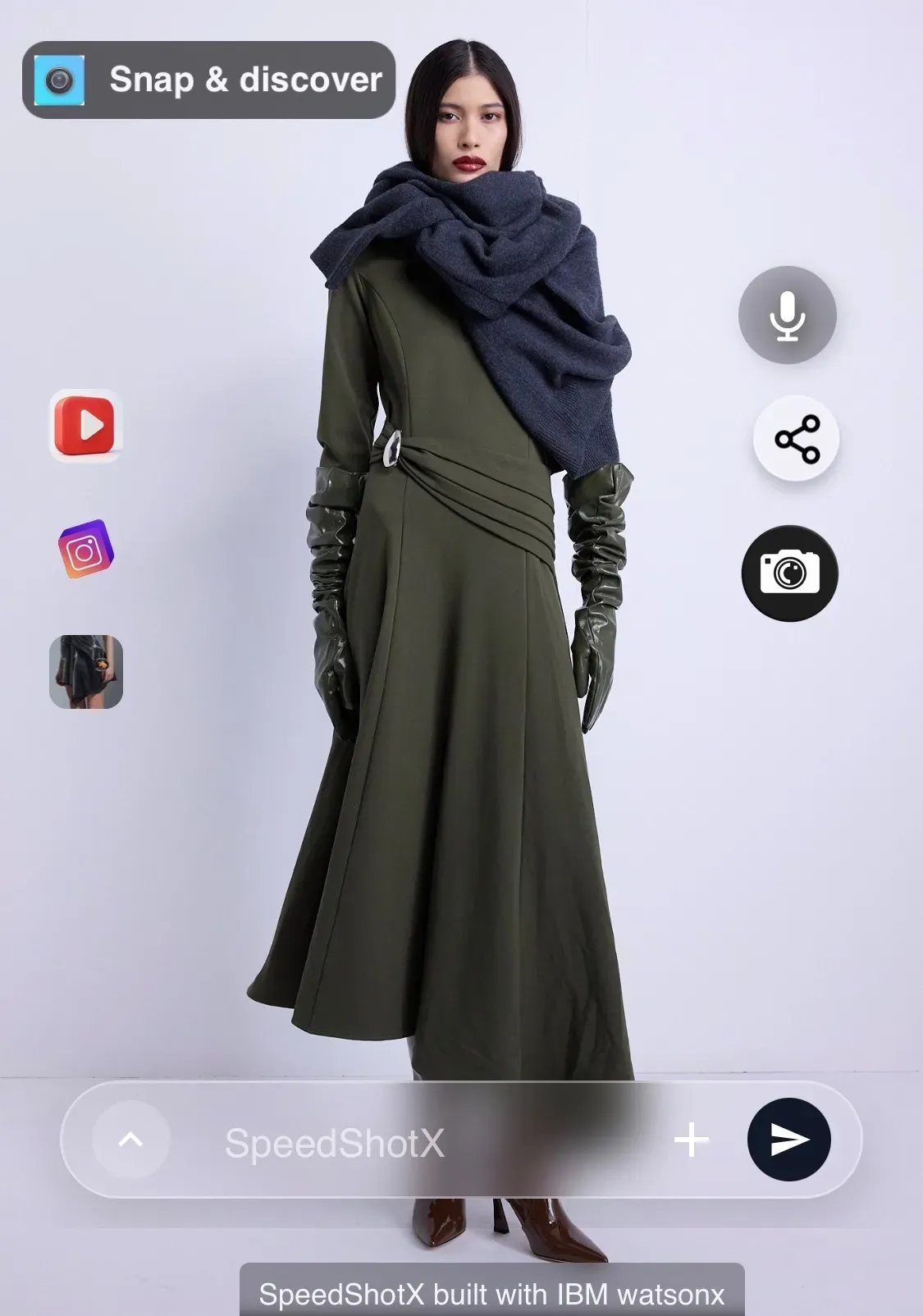
Why it matters: Independent designers rarely deploy enterprise-grade AI infrastructure, especially tech built with IBM-level firepower. Nor is this a gimmick; she’s positioning virtual try-on as a brand-native experience, not a marketplace add-on. For emerging labels, this demonstrates that AI isn’t just for resale giants or mass retailers, it’s becoming a storytelling and conversion layer baked directly into the designer’s world.
 Emily Mercer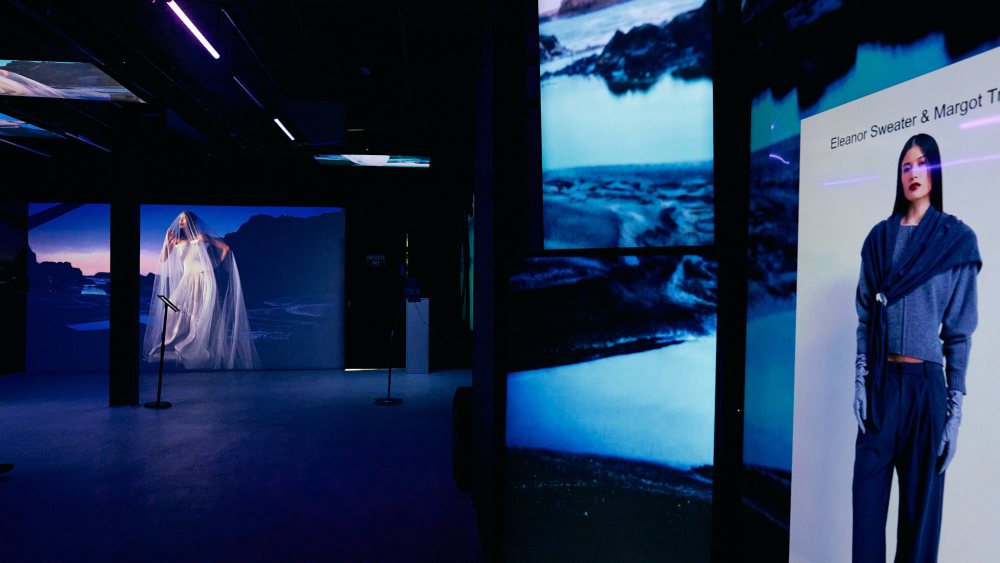
Croissant Raises $28M to Scale Resale Rewards
Croissant has raised $28 million in new capital, bringing total funding to $52 million, as it expands partnerships with brands including Reformation, Nordstrom, Revolve and SSENSE. The platform offers shoppers 10% back instantly on purchases at partner retailers, along with a guaranteed future resale price, embedding resale value directly into the checkout moment. To date, Croissant says it has driven over $50 million in GMV across 100,000 users.
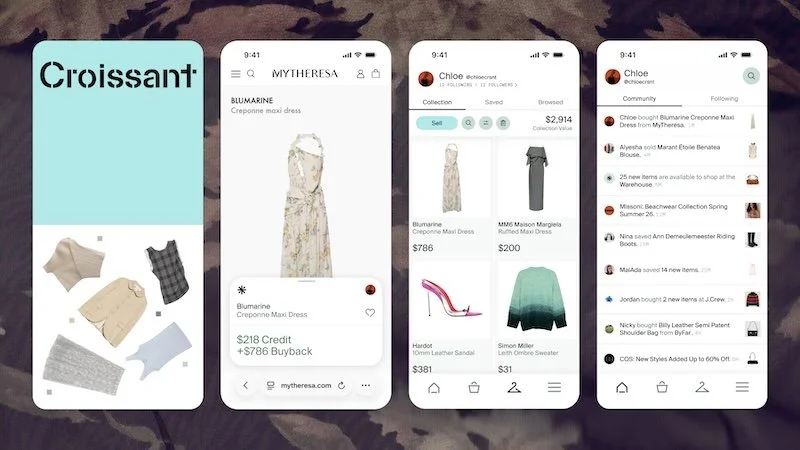
Why it matters: Croissant is endeavouring to reposition resale as infrastructure rather than a secondary marketplace. By turning future resale value into an upfront incentive, it gives brands a new lever to drive higher-intent demand while easing pressure on customer acquisition costs. If this model gains traction, resale won’t sit at the end of the product lifecycle, it will help shape purchasing decisions from the start, shifting how brands price, market and measure value altogether.