
Meta Retreats From Metaverse, H&M Bets on Carbon Fibres, Walmart Pulls Back From AI Checkout
Meta winds down Horizon Worlds as AI takes priority; H&M backs Rubi’s CO₂-to-fibre tech to rethink material sourcing; Walmart drops in-chat checkout after weak conversion, reinforcing that AI may drive discovery, but brands still own the sale.
Meta Shutters Horizon Worlds, Sort of
Meta is pulling Horizon Worlds from its Quest VR platform by June, effectively winding down the flagship product behind its metaverse strategy. Launched in 2021 after Mark Zuckerberg rebranded Facebook to Meta, the platform failed to scale beyond a few hundred thousand users despite billions in investment. Reality Labs - the division behind VR - has now accumulated roughly $80 billion in losses, as the company pivots aggressively toward AI. Horizon will live on only as a mobile app, repositioned more like a gaming platform than a virtual world.
 Aisha Malik
Why it matters: Fashion briefly bought into the metaverse as a new frontier for identity, community, and digital product, but consumer behaviour never followed at scale. AI is winning because it solves immediate problems: what to wear, what fits, what to buy - faster and more personally than any virtual world ever did. For brands, this marks a shift away from speculative “digital experiences” towards embedded intelligence across the value chain, from design to merchandising to checkout. The opportunity is no longer building destinations, it’s owning the decision-making layer that drives demand.

H&M Backs Rubi to Turn CO₂ Into Textile Fibres
H&M Group has backed biotech startup Rubi, which is developing a process to convert captured CO₂ into cellulose, the key input for fibres like lyocell and viscose. Using an enzyme-based system enhanced by AI, Rubi can generate textile-grade material inside modular, container-sized reactors, with early pilots already underway with partners including H&M, Patagonia, and Walmart. The company has raised $7.5 million and secured over $60 million in non-binding offtake agreements as it moves toward demonstration-scale production.
 Tim De Chant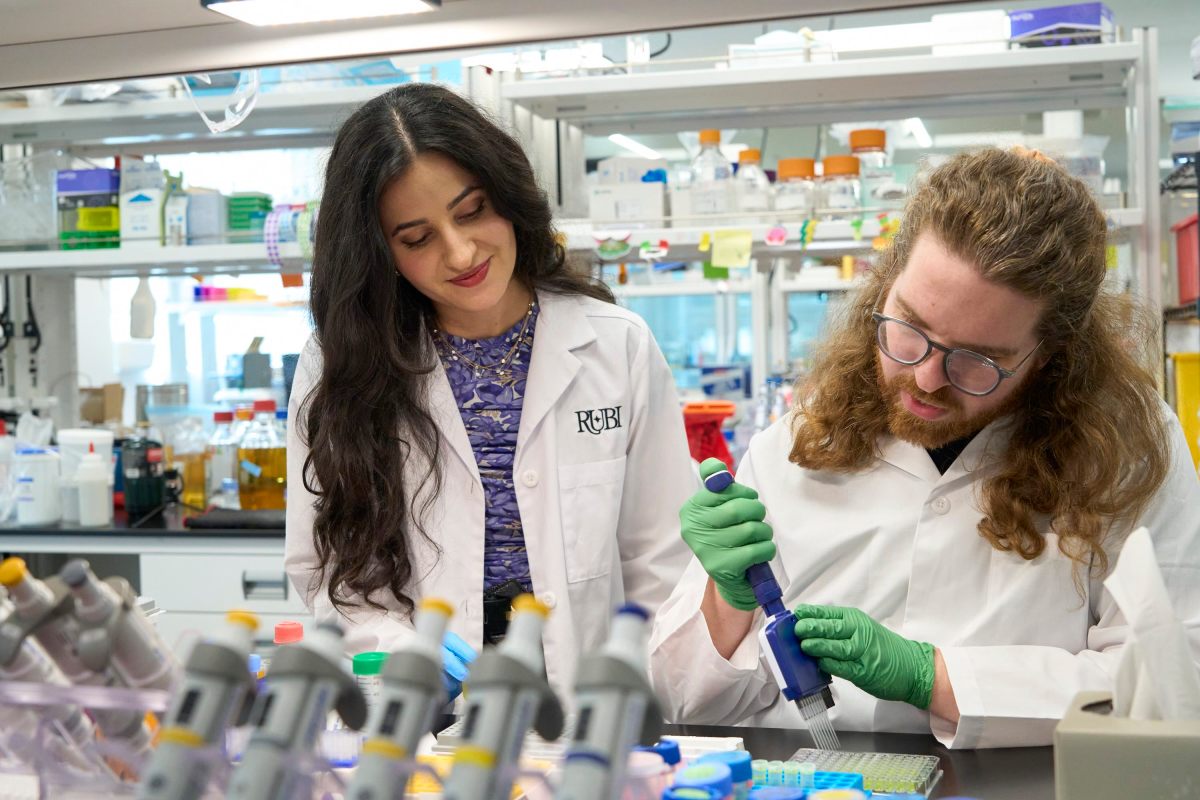
Why it matters: If Rubi can scale, it challenges one of fashion’s most entrenched supply chains - wood-based cellulose tied to forestry and long global logistics. Turning emissions into raw material flips the equation: carbon becomes feedstock, not cost. The real prize isn’t just “sustainable fibres,” it’s localized, on-demand material production, shrinking lead times, reducing dependency on forests, and potentially rewiring how some textiles are sourced.
Walmart Abandons ChatGPT Checkout After Conversion Rates Lag
Walmart has pulled back from in-chat checkout inside OpenAI’s ChatGPT after testing 200,000 products and finding conversion rates were three times lower than its own website. The retailer had enabled purchases via Instant Checkout, letting users complete transactions without leaving ChatGPT, but deemed the experience “unsatisfying.” Instead, Walmart will now integrate its own chatbot, Sparky, into ChatGPT, with users logging into Walmart accounts and completing purchases within its own ecosystem.

Why it matters: For fashion retailers chasing “agentic commerce,” this is a reality check. Discovery may shift to AI interfaces, but conversion still depends on trust, UX, and owned environments - areas where brands control merchandising, storytelling, and checkout flows. The likely model isn’t AI replacing e-commerce, but intermediating it: ChatGPT becomes the top-of-funnel, while brands fight to retain the transaction layer.