Lane Crawford’s AI Stylist, VoCoVo’s Surveillance Warning, Khaqh’s Material Intelligence
Lane Crawford debuts an AI stylist with AiDLab; VoCoVo exposes growing UK unease over in-store AI surveillance; and Khaqh builds a material intelligence layer from textile waste.
Lane Crawford and AiDLab Launch AI-Powered Virtual Personal Stylist
Lane Crawford has partnered with AiDLab to roll out a virtual personal fashion stylist, blending generative AI with human stylist expertise. Built on AiDLab’s Styling Advice & Retail Assistant (SARA), the tool creates personalised, mix-and-match outfit recommendations using customer preferences, in-store inventory and real-time trend data. Shoppers interact via a unique avatar that adapts to their body type and evolving style, with full-look virtual try-ons and social sharing baked in. Beyond styling, the partnership also explores AiDLab’s AiDA platform for AI-supported trend forecasting and product design across the supply chain, alongside a joint community programme spanning talks, workshops and events.
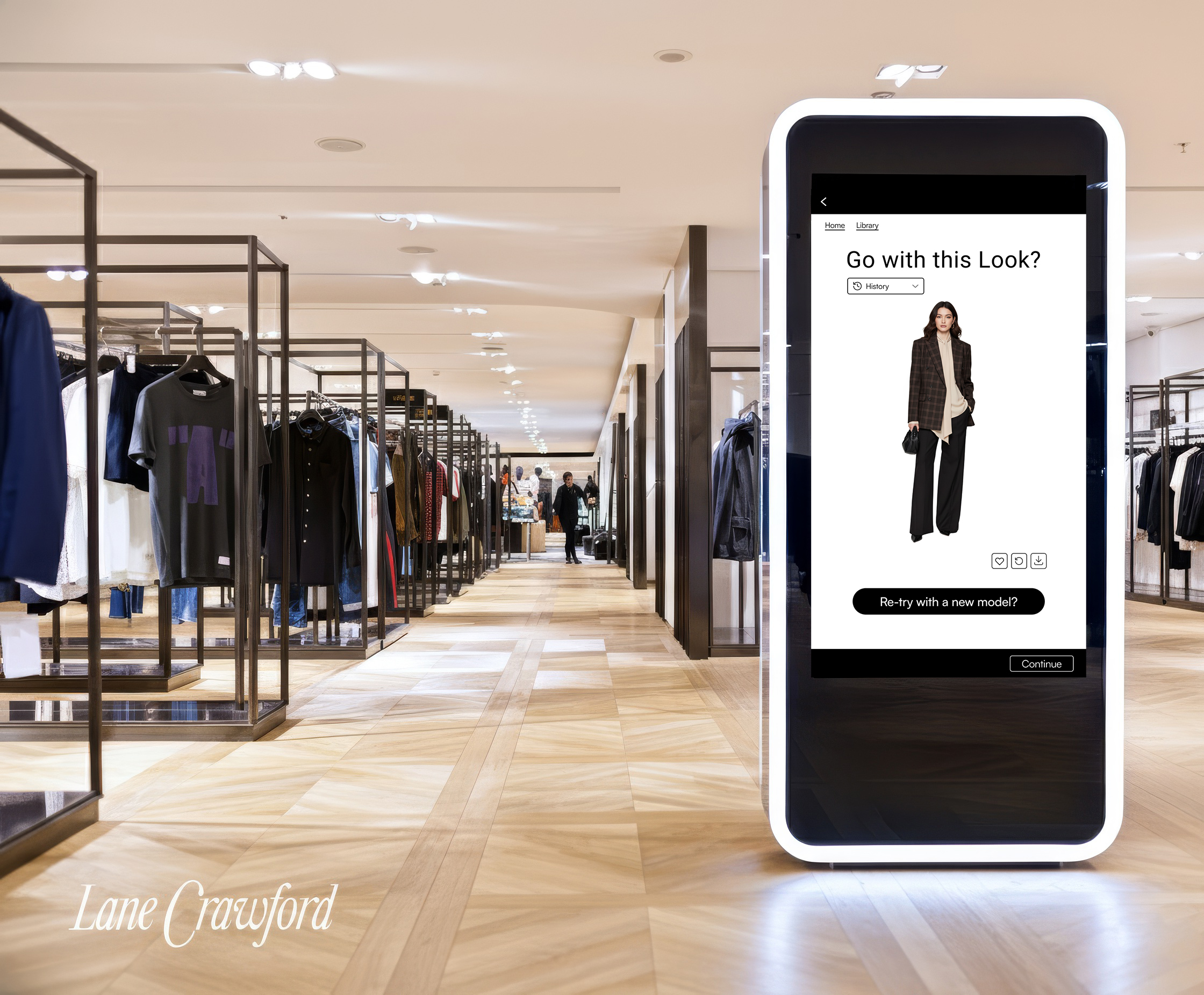
Why it matters: For luxury department stores like Lane Crawford, the competitive edge isn’t convenience, it’s taste, trust and human expertise. This partnership with AiDLab shows how AI can scale the intimacy of in-store styling beyond the shop floor, without diluting brand point of view. Done well, virtual stylists become a bridge between physical retail and digital engagement, extending the authority of the store rather than replacing it.
 Lane Crawford
VoCoVo Finds UK Shoppers Uneasy as AI Surveillance Expands In-Store
UK shoppers are increasingly wary of AI-powered monitoring in physical stores, according to a new report from VoCoVo. The research shows 59% of consumers are uncomfortable with retailers using AI to track them in-store as part of security measures, while 52% are specifically uneasy about AI-enabled CCTV and body-worn cameras, even when positioned as tools to protect staff. At the same time, awareness lags reality: 57% of shoppers didn’t realise AI-driven security was already being used. The findings come from VoCoVo’s In-store Intelligence: AI’s Role in Retail’s Human Touch, based on surveys of 503 UK consumers and 250 retail decision-makers.
Why it matters: Physical retail is leaning harder on AI to combat rising theft and abuse. 34% of retailers already use AI in anti-theft strategies, with another 48% planning to within a year. But the data highlights a growing trust gap. As AI becomes more visible on the shop floor, retailers face a trade-off: deploy smarter security to protect staff and margins, or risk alienating shoppers unless transparency around data use and intent improves.



Khaqh Builds the Material Intelligence Layer Behind Sustainable Fashion
Sustainable fashion is shifting from storytelling to systems, and ventures like Khaqh are leaning into that reality. Led by Nandini Sharma, the company turns post-consumer textile waste into engineered, repeatable material systems designed for production reliability, not one-off aesthetics. Its first four collections sold out within days, diverting more than 1.2 tons of waste, while Sharma’s academic work on smart fashion manufacturing has influenced hundreds of university and early-stage industry projects. Her parallel work with Parsons School of Design and Indian manufacturer Shaleen Enterprises underscores the same theme - sustainability fails or succeeds long before garments hit the runway.
Why it matters: Fashion’s sustainability bottleneck is consistency. As regulation tightens and brands scale circular materials, reliability at the material and manufacturing layer is critical. Khaqh’s approach demonstrates where competitive advantage is heading: system-level material intelligence that makes sustainable production predictable, scalable, and commercially viable.
 Kimberly Zhang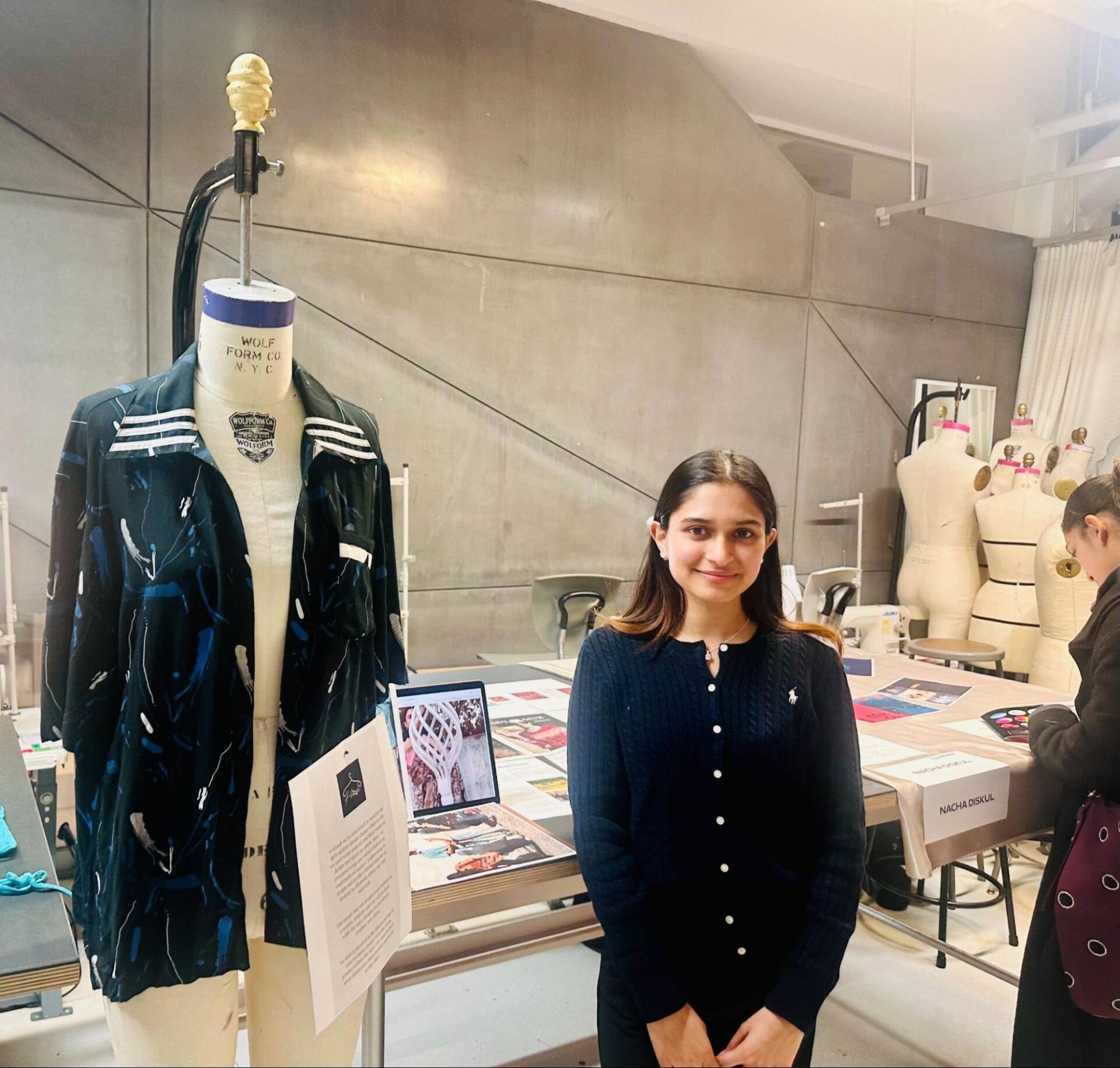
Quick Links
Other stories that caught our eye.
 SOURCE FASHION
 Emily Jensen