


OTB Group Plugs Diesel and Jil Sander Into Google's Virtual Try-On API
OTB Group has partnered with Google Cloud to deploy generative virtual try-on across its portfolio, starting with Diesel and Jil Sander in the US and Europe before extending to Marni and Maison Margiela. The technology runs on Google Cloud's Virtual Try-On API, sitting on the Gemini Enterprise Agent Platform, and is being framed as a clienteling tool rather than a consumer-facing widget - client advisors share curated, 360-degree visual previews with selected customers as part of a high-touch styling service.
The project also wires in Google's Nano Banana image-editing model to place customers inside Diesel and Jil Sander campaigns, and Veo to animate those stills into short video. OTB chairman Renzo Rosso said the implementation realises a vision he has been working on for more than three years, framing AI as a way to enhance human advisors rather than replace them. OTB, which employs over 7,000 people and also holds a stake in Amiri, is positioning the rollout as the start of a broader portfolio-wide deployment.

Why it matters: OTB is using VTO to give human sales staff a generative tool they can deploy inside an existing client relationship - visualisation as service layer, not as a conversion widget. That is a meaningfully different bet on where the technology earns its keep (see Hockerty below), and it sidesteps the usual VTO problem of being a novelty button on a product page that nobody clicks twice.
OTB is also buying into Google Cloud's full agentic stack - Gemini, Nano Banana, Veo - rather than stitching together point solutions, which suggests luxury groups are now choosing a hyperscaler the way they once chose an ERP vendor. The open question is whether high-touch clienteling, historically the part of luxury that resisted digitisation hardest, becomes the wedge that finally pulls AI into the front-of-house experience, or whether advisors leave the tool unused once the launch press is over.
Hockerty Adds Virtual Try-On to Close the Made-to-Measure Trust Gap
Hockerty has launched a virtual try-on feature that lets customers see themselves wearing a fully configured custom suit before placing an order. The international made-to-measure menswear brand, which already offers a 3D configurator covering fabric, cut, collar, pockets, lining and monogram, has added a final step that renders the exact specification onto a user-uploaded photo - a selfie, a wedding shot, anything full-body or partial.
The feature sits at the end of an 18-year build-out that includes AI-powered sizing and body measurement tools, and it is positioned as the closing piece between online configuration and the in-store fitting experience. Co-founder Alberto Gil framed the previous gap bluntly, describing the old purchase as "a leap of faith" where customers picked fabric, lapel and lining and "just hoped." Hockerty serves over 300,000 customers from operations in Zurich, Barcelona and Shanghai, and previously rolled out a similar AR fitting tool for its custom sneakers line in 2023.
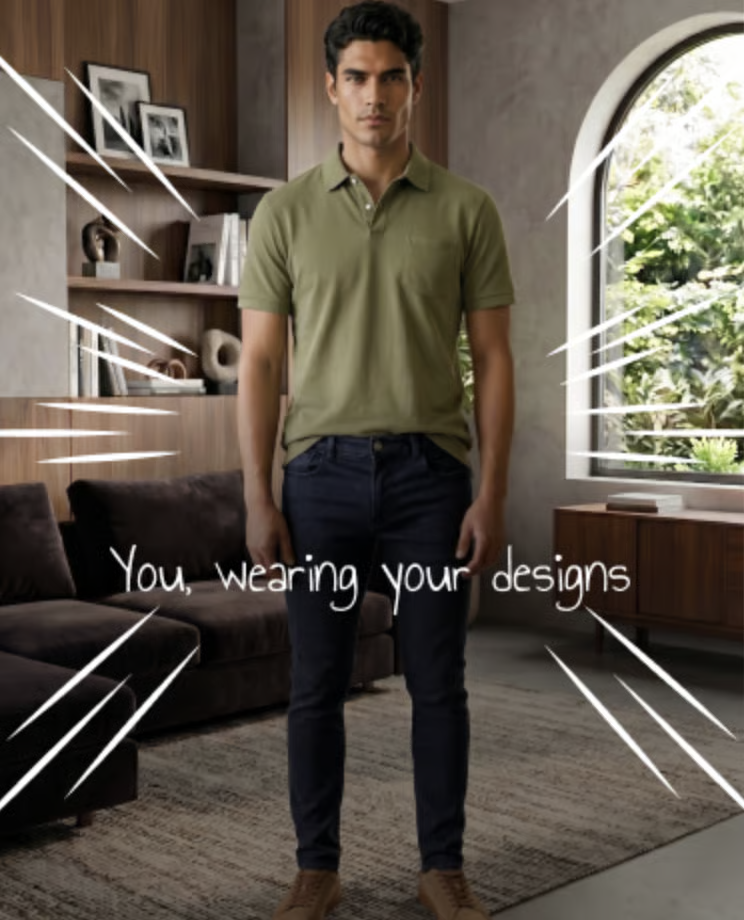
Why it matters: Made-to-measure is the category where VTO has the strongest commercial logic and the weakest historical execution. Returns are catastrophic when a bespoke garment doesn't land - there is no restock, no resale, just a write-off - so anything that reduces aesthetic surprise at delivery directly protects unit economics.
The interesting move here is sequencing: Hockerty isn't using VTO as a top-of-funnel gimmick to drive engagement, it's using it as a pre-purchase confidence layer after the configurator has already done the hard work of capturing intent. That reframes virtual try-on from a marketing tool into a conversion infrastructure, which is where the technology actually earns its keep. The wider question for the category is whether photo-based rendering is now good enough to displace the showroom visit entirely, or whether it simply expands the addressable market of customers who would never have set foot on Savile Row in the first place.
Big Tech Buys a Seat at Fashion's Top Table
Anna Moloney's City AM column takes stock of what some have dubbed the "tech bro takeover" of this year's Met Gala, where Amazon's Jeff Bezos and Lauren Sanchez served as headline sponsors and Meta, OpenAI and Snapchat each bought tables at $525,000 a piece. Mark Zuckerberg attended with his wife Priscilla, having recently turned up front row at Prada's Milan Fall/Winter show.
The sponsorship sparked some pushback - some celebrities reportedly boycotted, activists staged a counter-show outside - but the more interesting question is taste: how does Vogue, long positioned as fashion's ultimate arbiter, square its prestige with rolling out the red carpet for a man who built his fortune on next-day delivery of cheap mass-market goods. Cultural cache is one of the few things Big Tech cannot build with an algorithm, and Sanchez standing next to Anna Wintour was a demonstration that they are willing to pay for it.
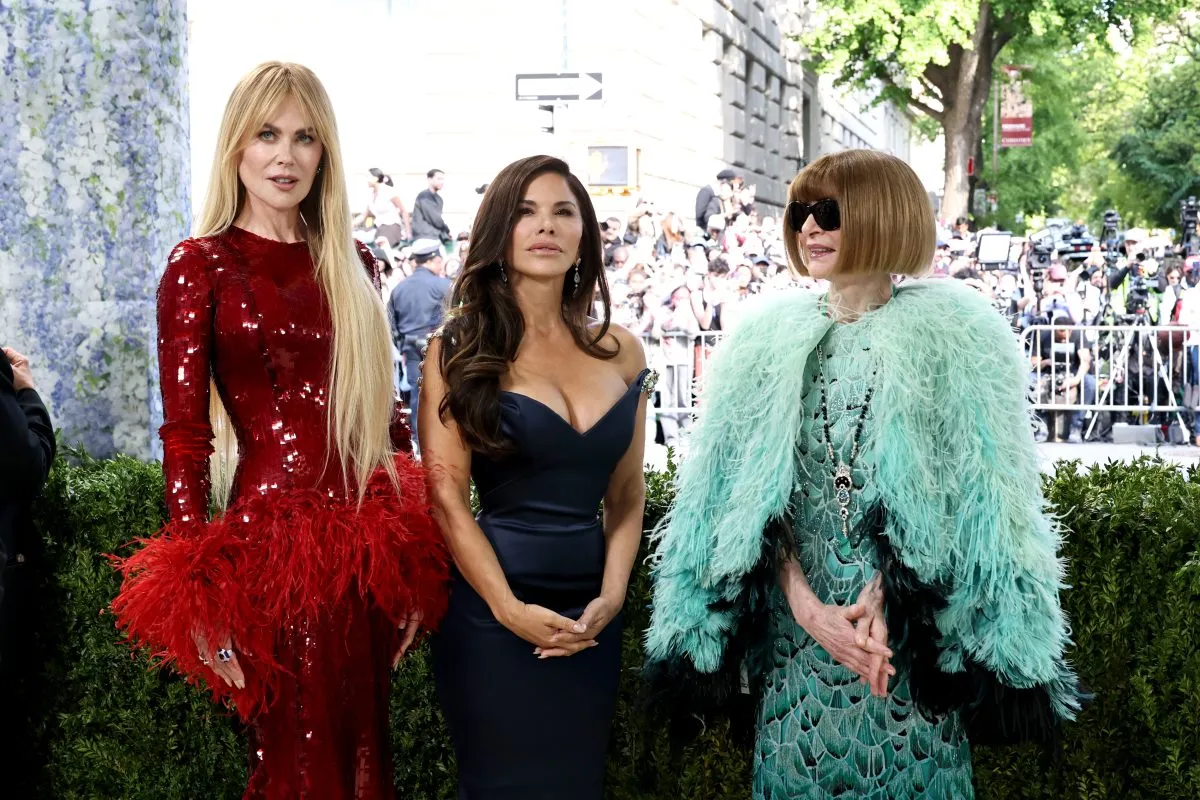
Why it matters: Big Tech's fashion charm offensive is not really about fashion - it is about laundering reputation through proximity to taste at exactly the moment platforms are losing a cultural argument over AI, content moderation and labour. Half a million dollars for a Met Gala table is rounding error against a Super Bowl ad, and it buys something an ad cannot: the visual association of being welcomed by the institutions that still confer legitimacy.
For fashion brands, the takeaway is that the gatekeeping layer they have spent a century cultivating relationships with is being reshaped by capital flowing in from platforms that view "taste" as a media buy and "editor" as a model deployment. The real question is whether fashion's cultural authority survives intact once the people paying for it no longer need it to mean what it used to.