Valentino AI Backlash, Perplexity launches VTO, Lovable Backs Lumoo Expansion
Valentino faces backlash for “disturbing” AI visuals; Perplexity debuts rapid photo-based virtual try-on for realistic fit checks; and Lovable-backed Lumoo raises €550K to scale its VTO platform - three snapshots of how AI is reshaping fashion’s creative and commercial stack.
Valentino Faces Backlash Over “Disturbing” AI-Generated Handbag Campaign
Valentino is under fire after releasing AI-generated visuals to promote its new DeVain handbag, part of a broader digital collaboration with artists. The Instagram video shows surreal, morphing figures - arms melting into logos, bodies blurring into geometric swirls - and, despite being clearly labelled as AI-generated, the reaction was immediate and unforgiving. Fans called the campaign “cheap,” “lazy,” and “embarrassing,” accusing the couture house of sidelining human creatives in favour of cost-cutting tech. Cultural analysts argue the backlash reflects a growing skepticism around AI’s place in luxury identity.
Why it matters: Luxury brands can’t simply graft AI onto their visual language and hope for applause. When generative visuals feel more like shortcuts than storytelling, audiences assume the brand is trading craft for efficiency. In a category built on human touch, AI without a clear emotional idea quickly reads merely as a cost-cutting exercise.
 ByLiv McMahonTechnology reporter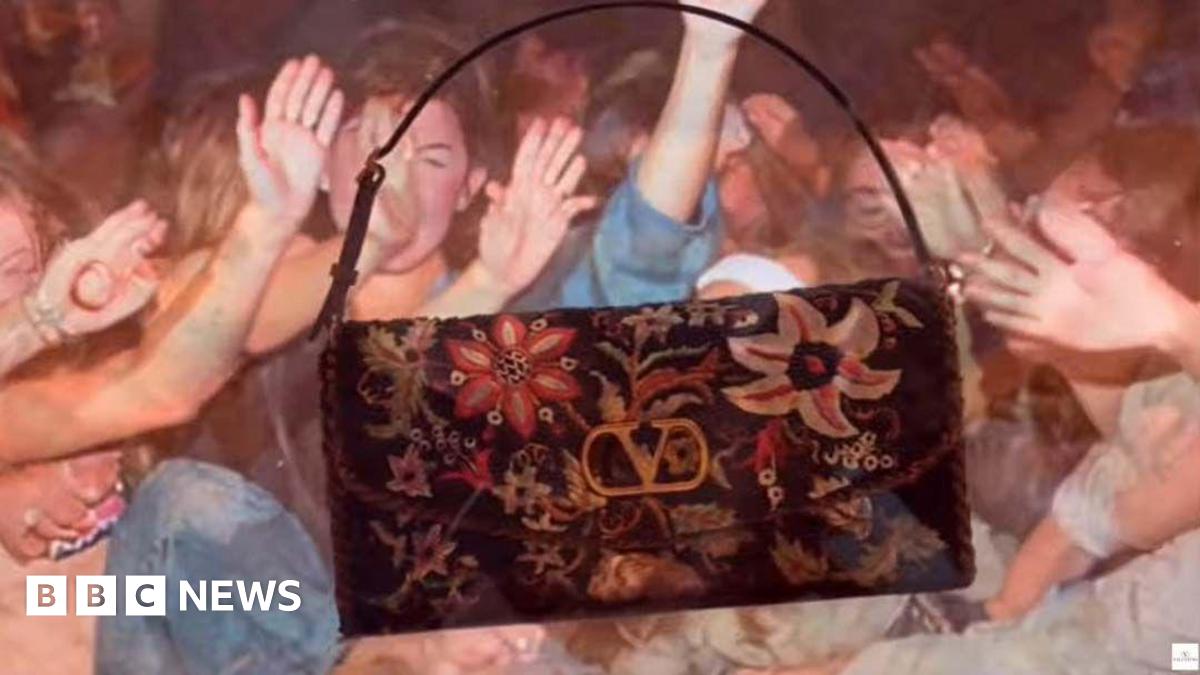
Perplexity Rolls Out Rapid-Fire Virtual Try-On for Realistic Fit Checks
Perplexity has introduced a new virtual try-on feature for Pro and Max users, generating a digital twin from user photos and rendering individual garments on that avatar in under a minute. The tool pulls real products from online stores and maps them to your body shape, posture and silhouette, offering a quick sense of drape and fit. It’s snappy and impressively lifelike, though limited to single pieces at a time; full outfits and costumes remain Google’s stronger suit.
Why it matters: Virtual try-on is shifting from novelty to infrastructure. Perplexity’s speed shows where AI shopping UX is heading - instant, personalised previews that should reduce returns and boost conversion. Google still wins on breadth, but Perplexity’s pace hints at a future where AI try-on becomes a default layer across e-commerce, not a feature brands bolt on.
 Eric Hal Schwartz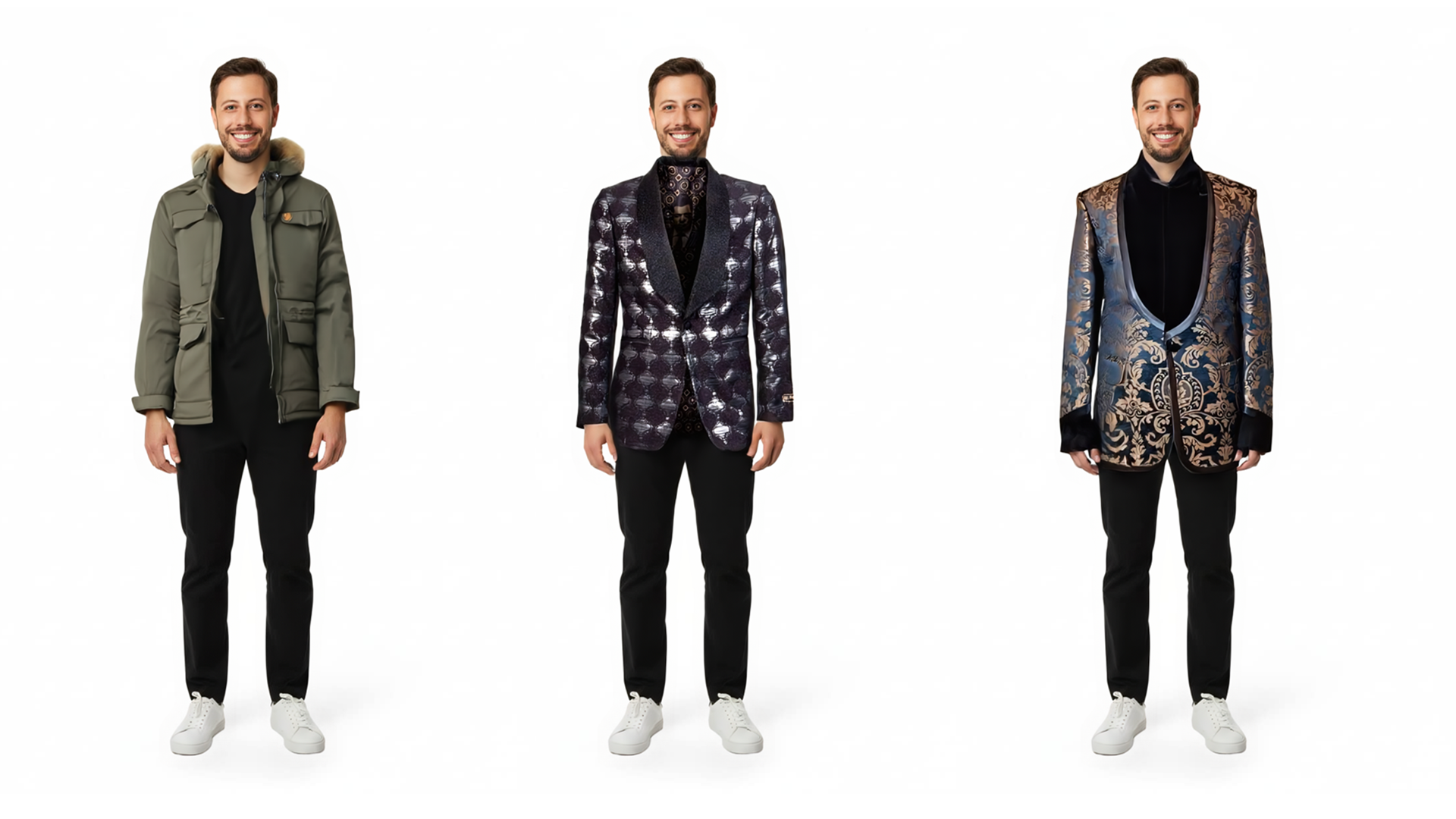
Lumoo Secures €550K to Scale Lovable-Built Virtual Try-On Tech
Swedish startup Lumoo, built entirely on Lovable’s “vibe coding” platform, has raised SEK 6 million (€550K) from a group of fashion and tech-focused angels, including Lovable CEO Anton Osika. Lumoo enables virtual try-ons, automated model generation and product visualisation for brands like Gant, Brothers and AWNR Group, pitched as a more accurate fit-prediction layer aimed at reducing costly returns. The company expects to hit €1M ARR in its first year and will use the capital to accelerate hiring, product development and international expansion.
Why it matters: A Lovable-native startup getting backed by Lovable’s own CEO signals confidence in the no-code-to-full-stack model, and in virtual try-on’s continued march towards retail infrastructure.
Quick Links
Other stories that caught our eye.
 Bioengineer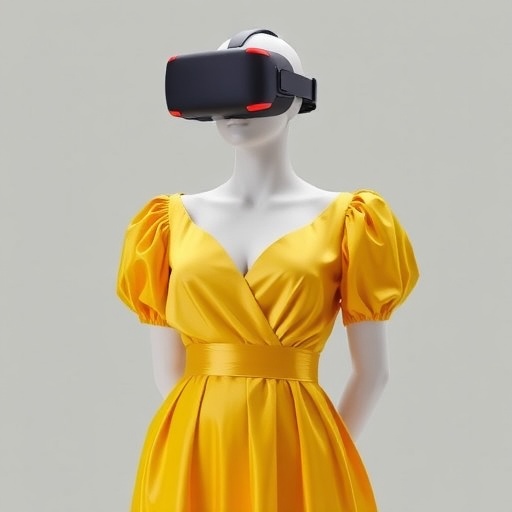
 Amanda Hoover